Petrol/Gas Generator vs Solar UPS Running Cost in Pakistan 2026: Hourly Fuel & Payback Analysis | BillsOnlinePk
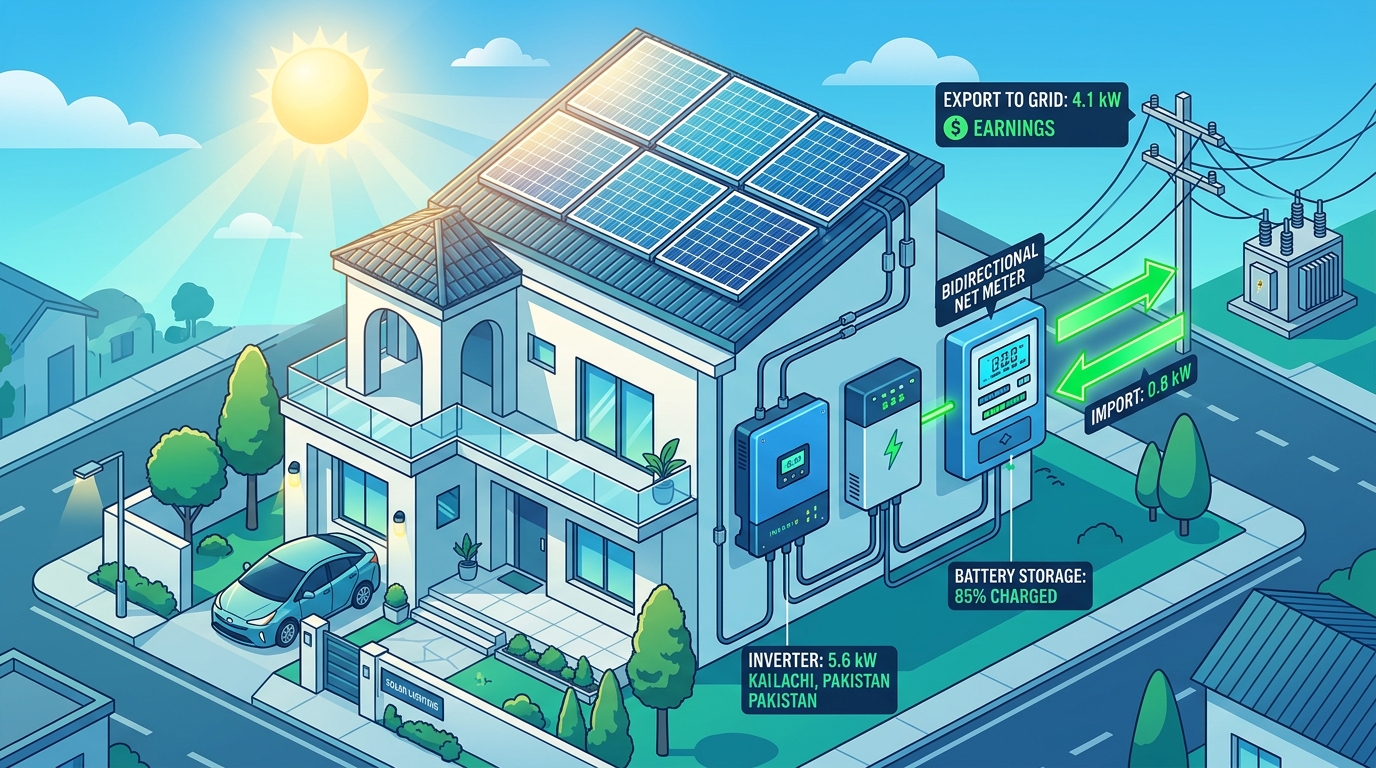
Executive Summary: For over three decades across Pakistan, petrol and natural gas generators were the undisputed kings of emergency backup power. In every residential street and commercial bazaar from Lahore to Karachi, the deafening roar of 2.5kVA to 7.5kVA generators and the smell of exhaust fumes were universal hallmarks of utility load shedding. However, unprecedented economic shifts—including domestic petrol prices climbing to nearly Rs. 300 per liter, severe winter natural gas loadshedding and low pressure, and dramatic 70% cost reductions in solar panels and lithium/tubular batteries—have completely demolished generator economics. Operating a standard 3kW petrol generator for just 4 hours a day now costs Pakistani families over Rs. 35,000 to Rs. 50,000 every single month in pure fuel! How does a modern 3kW to 5kW solar hybrid system compare against a generator? What is the exact hourly running cost? This comprehensive 2026 engineering and financial manual provides detailed fuel consumption curves, maintenance cost audits, noise mitigation factors, and payback schedules.
Table of Contents (Jump to Section)
- 1. Fuel Economics: Hourly Running Cost Breakdown in Pakistan (2026 Prices)
- 2. The Hidden Maintenance Burden of Internal Combustion Generators
- 3. Solar Hybrid UPS: Zero Noise, Zero Emissions, Instant Transfer
- 4. Three-Year Total Cost of Ownership (TCO) Financial Model
- 5. The Dual-Role Advantage: Daily Bill Reduction vs Emergency-Only Asset
- 6. When Is a Generator Still Justified? Industrial & Medical Redundancy
- 7. Step-by-Step Transition Roadmap: Retiring Your Generator for Solar
- 8. Frequently Asked Questions (FAQ)
1. Fuel Economics: Hourly Running Cost Breakdown in Pakistan (2026 Prices)
To compare generators against solar UPS systems, we must analyze exact fuel consumption under real domestic operating loads (e.g. running 4 ceiling fans, 1 refrigerator, lights, and television = approx. 1,000 Watts continuous electrical demand):
| Backup Power System | Fuel / Energy Source | Hourly Fuel Consumption (@ 1kW Load) | Hourly Operating Cost (Pakistani Rupees) | Monthly Cost (4 Hours Daily Outage) |
|---|---|---|---|---|
| Standard 3kW Petrol Generator | Super Petrol (@ Rs. 285 / Liter) | 1.2 to 1.5 Liters / Hour | Rs. 342 - Rs. 427 / Hour | Rs. 41,040 - Rs. 51,240 / Month |
| 3kW Natural Gas (SNGPL) Generator | Sui Gas (Uncompressed Pipeline) | 1.4 to 1.8 m³ / Hour | Rs. 110 - Rs. 165 / Hour | Rs. 13,200 - Rs. 19,800 / Month |
| 3kW LPG Cylinder Generator | Commercial LPG (@ Rs. 260 / Kg) | 0.9 to 1.1 Kg / Hour | Rs. 234 - Rs. 286 / Hour | Rs. 28,080 - Rs. 34,320 / Month |
| 3kW Solar Hybrid System + Batteries | Free Solar Photons + Stored Energy | 0.00 Liters (Zero Fuel) | Rs. 0.00 / Hour | Rs. 0.00 / Month (Pure Savings!) |

2. The Hidden Maintenance Burden of Internal Combustion Generators
Beyond catastrophic fuel bills, mechanical generators impose heavy, recurring maintenance overheads that consumers frequently overlook:
- Frequent Engine Oil & Filter Changes: Small 4-stroke air-cooled generator engines (such as Honda, Loncin, or Yamaha clones) hold approximately 0.6 to 1.1 liters of engine oil. Operating under dusty Pakistani summer conditions, engine oil breaks down thermally within 50 to 80 operating hours. If you run a generator for 4 hours daily, you must replace engine oil every 2 to 3 weeks (costing Rs. 1,500 per oil change = Rs. 3,000 monthly).
- Spark Plug Fouling & Carburetor Servicing: Low-grade petrol containing moisture and sulfur fouls spark plugs, requiring frequent cleaning, gap adjustment, and carburetor jet overhauls.
- Battery Starter & Recoil Pull-Cord Failures: Generator 12V starter batteries fail every 12 to 18 months, forcing family members to struggle with manual recoil pull-cords in blistering 43°C heat during midnight blackouts.
3. Solar Hybrid UPS: Zero Noise, Zero Emissions, Instant Transfer
Modern solar hybrid systems (combining pure sine wave inverters with rooftop solar panels and battery storage) offer lifestyle and technical advantages that generators can never match:
- Seamless Uninterrupted Power Supply (<10ms Transfer): When the utility grid fails, a solar hybrid inverter transfers to battery power in less than 10 milliseconds. Desktop computers do not reboot, Wi-Fi routers do not drop zoom calls, and televisions do not flicker. Conversely, starting a generator requires walking outside, turning fuel valves, choking, pulling starter cords, and operating manual changeovers, taking 3 to 10 minutes of complete darkness.
- 100% Silent Operation: A 3kW generator produces 75 to 88 decibels of noise, disrupting sleep, aggravating neighbors, and vibrating household walls. A solar inverter operates with silent solid-state electronics, cooling itself with whisper-quiet brushless DC fans.
- Zero Toxic Carbon Monoxide Fumes: Every year, tragic deaths occur across Pakistan due to lethal carbon monoxide (CO) gas leaking from generators installed in poorly ventilated verandas or basements. Solar systems generate zero toxic emissions.

4. Three-Year Total Cost of Ownership (TCO) Financial Model
Let us construct a comprehensive 3-year financial model comparing purchasing and operating a 3kW Petrol Generator versus a 3kW Solar Hybrid System for a Pakistani family experiencing 4 hours of daily load shedding:
Option A: 3kW Petrol Generator Setup (3-Year Total Cost):
- Initial Generator Purchase Price: Rs. 85,000
- 3-Year Fuel Cost (4 hrs/day x 1.3L/hr x Rs. 285 x 1,095 days): Rs. 1,563,000
- 3-Year Engine Oil & Filter Changes (60 oil changes x Rs. 1,500): Rs. 90,000
- Spark plugs, carburetors, battery replacement & repairs: Rs. 25,000
- Total 3-Year Expenditure: Rs. 1,763,000 (Over 1.76 Million Rupees!)
Option B: 3kW Solar Hybrid System Setup (3-Year Total Cost):
- 3kW Pure Sine Wave Hybrid Inverter: Rs. 110,000
- 3.5kW Tier-1 TOPCon Solar Panels (6 x 585W): Rs. 145,000
- Deep Cycle Tubular Battery Bank (2 x 200Ah): Rs. 115,000
- Mounting structure, DC cables, breakers & installation: Rs. 60,000
- 3-Year Fuel Cost: Rs. 0.00
- 3-Year Maintenance (Distilled water topping): Rs. 4,500
- Total 3-Year Expenditure: Rs. 434,500
Net Financial Savings: The solar system saves an astonishing Rs. 1,328,500 (over 1.3 Million Rupees!) across 3 years. The solar installation achieves 100% financial payback in under 10 months purely by eliminating generator petrol purchases!
5. The Dual-Role Advantage: Daily Bill Reduction vs Emergency-Only Asset
The most profound economic difference between the two technologies is how they operate when utility grid power is healthy:
- A Generator is a Pure Sunk Cost: When the utility grid is running normally, your generator sits idle in the corner of your yard, producing zero economic value. It is an emergency-only financial drain.
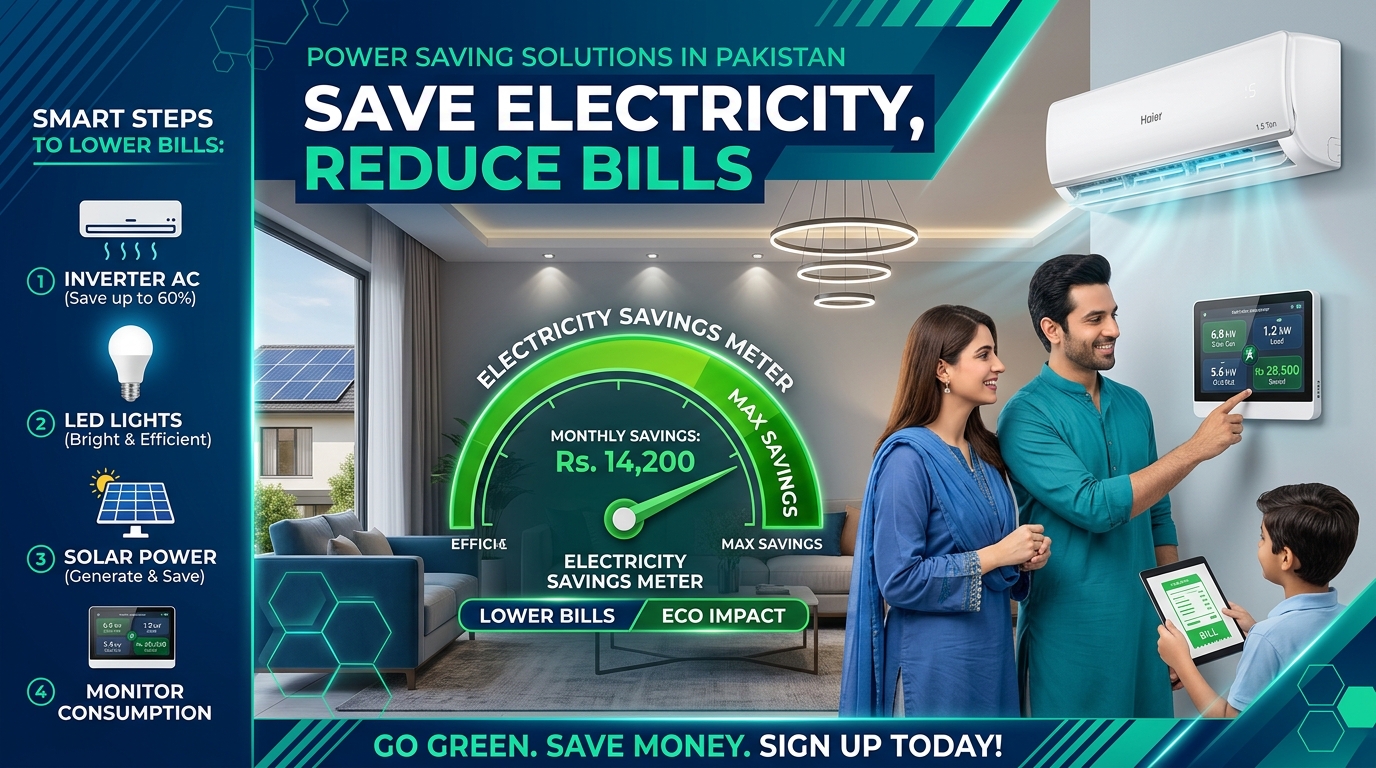
- A Solar Hybrid System Cuts Your Daily Bill 365 Days a Year: Even when there is zero load shedding, your solar panels generate free electricity every morning, powering your refrigerator, fans, and daytime air conditioning directly from the sun. Any surplus units are exported to the grid via net metering, actively slashing your routine monthly electricity bill by Rs. 15,000 to Rs. 25,000 every single month!
6. When Is a Generator Still Justified? Industrial & Medical Redundancy
Despite solar superiority, fossil fuel generators still maintain niche utility in specific commercial applications:
- Monsoon Multi-Day Solar Deprivation: During prolonged monsoon rainstorms or catastrophic winter fog where solar generation drops by 80% for 5 consecutive days, a small backup generator can recharge depleted battery banks.
- Hospitals, Dialysis Centers & Data Centers: Commercial critical facilities require multiple layers of defense-in-depth redundancy: utility grid primary, solar hybrid secondary, and automated diesel generators as tertiary fail-safes.
7. Step-by-Step Transition Roadmap: Retiring Your Generator for Solar
To smoothly transition your household from generator reliance to solar autonomy:
- Audit Emergency Critical Loads: Tally essential daytime and nighttime outage loads (lighting, fans, refrigeration, Wi-Fi, 1 inverter AC). Size your hybrid inverter capacity at 1.25x peak load.
- Install Pure Sine Wave Hardware: Choose tier-1 hybrid inverters with high PV input voltages (up to 450V - 500V DC) that allow solar panels to start producing early at 6:30 AM.
- Repurpose or Liquidate Generator Assets: Sell redundant petrol generators on local secondary markets (OLX, local bazaars) to recover Rs. 40,000 to Rs. 60,000 in immediate cash to subsidize your solar battery purchase!
8. Frequently Asked Questions (FAQ)
How much petrol does a 3kW generator consume per hour in Pakistan?
A typical 3kW petrol generator running a 1,000W to 1,500W domestic load consumes between 1.2 and 1.5 liters of petrol per hour, costing approximately Rs. 350 to Rs. 430 per hour at current fuel prices.
How long does a 3kW solar hybrid system take to pay for itself compared to a generator?
Under current petrol prices, a 3kW solar hybrid system pays for itself in less than 10 to 12 months purely through eliminated fuel and oil change expenses, while providing free daily electricity for 25+ years.
Can a solar hybrid system run an air conditioner during load shedding?
Yes! A 5kW hybrid solar inverter paired with a quality battery bank runs a 1.0 or 1.5-ton inverter air conditioner seamlessly during daytime solar hours, and for 2 to 4 hours on battery storage at night.
Why is a solar UPS better than a generator for sensitive home electronics?
Solar inverters produce a pure, digitally regulated 50Hz sine wave with under 3% harmonic distortion. Generators produce dirty, fluctuating voltage waveforms with mechanical frequency drift that destroys laptop and TV electronics.
Q5: Can a solar hybrid system charge its batteries from a generator during rainy days?
Yes. All modern tier-1 hybrid inverters (Deye, Huawei, Sungrow, Inverex) feature dedicated dry contacts and AC generator inputs that automatically start a generator to charge batteries when solar is unavailable.
Q6: Does a solar hybrid system increase the resale value of a house in Pakistan?
Significantly! Houses equipped with certified net metering solar systems command 10% to 15% higher resale and rental values across urban housing societies because buyers value guaranteed zero electricity bills.
Need to check or calculate your current utility bill?
Verify your electricity duplicate bill with instant photo-reading verification or calculate slab costs accurately.