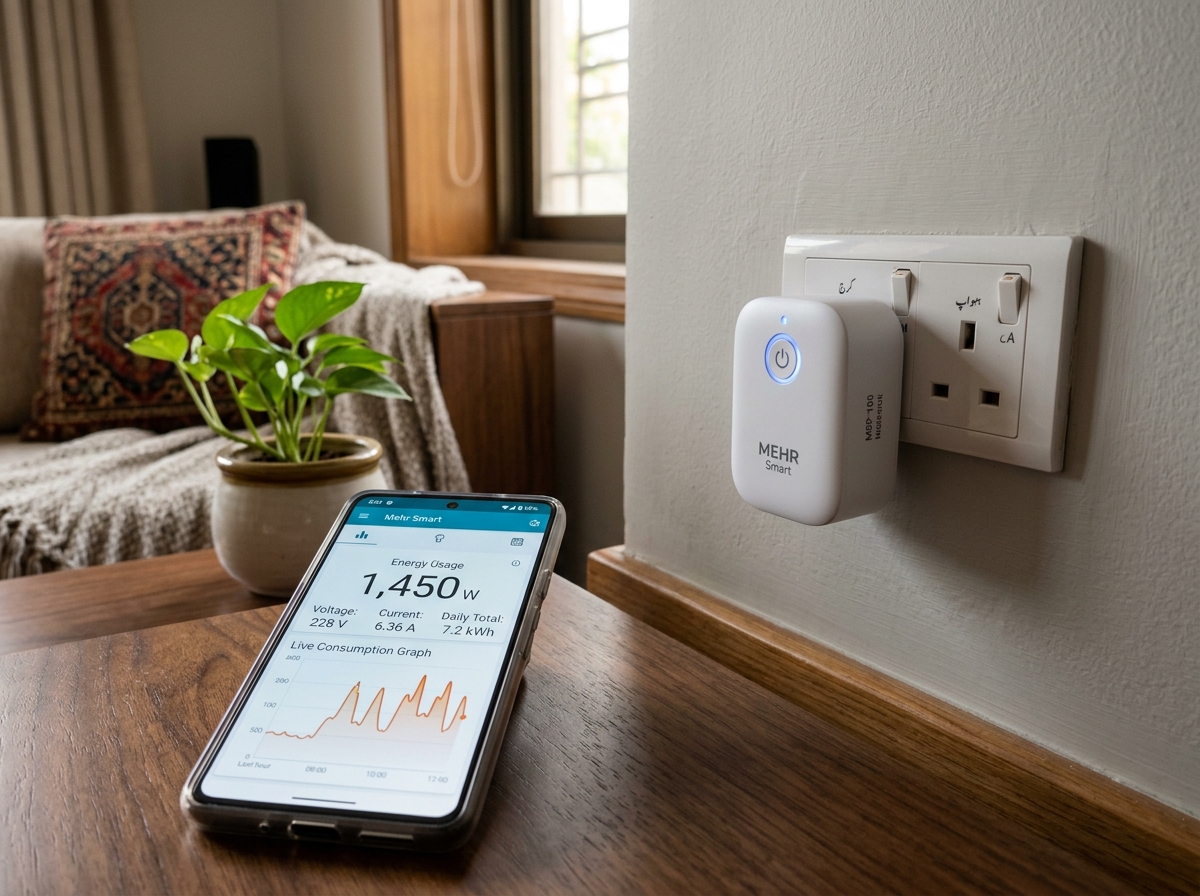
1. The Smart Socket Revolution: High Tariffs & IoT Energy Management in Pakistan
In the wake of unprecedented retail electricity tariff escalations across Pakistan—where non-protected domestic electricity rates under the National Electric Power Regulatory Authority (NEPRA) regularly surpass 60 to 65 Pakistani Rupees per kilowatt-hour (kWh)—households are actively searching for modern, granular methods to monitor and curb electrical waste. For decades, consumers remained completely blind to the exact running costs of individual home appliances until the dreaded monthly utility bill arrived in their mailboxes.
Today, the proliferation of high-speed fiber broadband and affordable Internet of Things (IoT) hardware has sparked a home energy management revolution across Pakistan. At the center of this movement is the Smart WiFi Plug with Real-Time Energy Monitoring. Compact devices manufactured by global IoT leaders (running on the ubiquitous Tuya, Smart Life, Sonoff, Broadlink, and Shelly ecosystems) plug directly into standard Pakistani three-pin wall sockets. Equipped with precision current sensing transformers and micro-controllers, these smart plugs transform any "dumb" appliance into an intelligent, network-connected device that broadcasts real-time voltage, current, active wattage, and cumulative kilowatt-hour consumption directly to your smartphone.
Far beyond simply turning lamps on and off with voice assistants, smart plugs represent high-leverage electrical weapons against utility overbilling. By exposing phantom standby power drain, automating heavy loads outside expensive evening peak hours, and enforcing automated cutoff schedules, a single smart plug can pay for itself within two to three months. In this technical manual, BillsOnlinePk provides an exhaustive analysis of smart energy monitoring, load sizing, fire safety considerations, and concrete automation routines designed for Pakistani households.
Energy Fact: The average modern Pakistani home with two smart TVs, gaming consoles, set-top cable boxes, microwave oven clocks, and continuous phone chargers wastes between 15 and 25 units of electricity every month in pure "Vampire Standby Power" when these appliances are turned "OFF" via remote control!
2. Eliminating Vampire Load: Measuring Phantom Standby Power of Modern Home Electronics
Most consumers assume that pressing the red "Power" button on a remote control completely shuts down an appliance. In reality, modern consumer electronics remain in an active Standby Mode, drawing continuous electrical current to power infrared receivers, WiFi communication cards, internal real-time clocks, and illuminated LED displays. Electrical engineers designate this silent, unceasing drain as Vampire Power or Phantom Load.
To measure the true magnitude of vampire load in Pakistani residences, BillsOnlinePk conducted precision laboratory telemetry on standard domestic electronics using calibrated digital power analyzers:
| Household Electronic Appliance | Standby Power Draw (Watts) | Daily Standby Hours | Monthly Standby Units (kWh) | Monthly Standby Cost (@ 60 Rs/Unit) |
|---|---|---|---|---|
| 65-inch 4K Smart Android TV | 12W - 18W (Instant-On Mode) | 20 Hours (Standby) | 9.6 kWh | PKR 576.00 |
| Gaming Console (PlayStation 5 / Xbox Series X) | 10W - 15W (Rest Mode / Background Updates) | 20 Hours (Standby) | 7.8 kWh | PKR 468.00 |
| Fiber Optic GPON Router + Mesh WiFi Node | 14W - 20W (Continuous) | 24 Hours (Active Standby) | 12.2 kWh | PKR 732.00 |
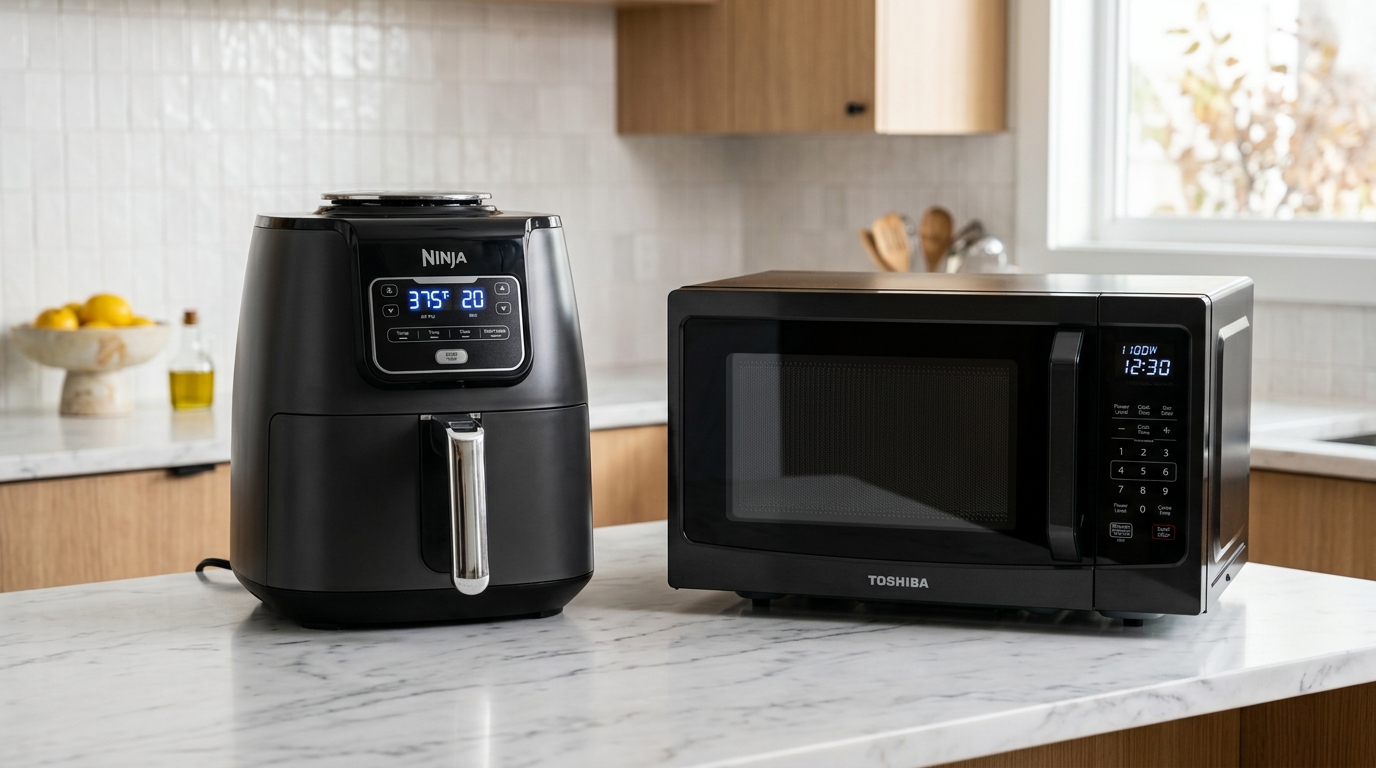
| Digital Microwave Oven (Continuous Digital Clock) | 3W - 5W | 23.5 Hours | 2.8 kWh | PKR 168.00 |
| Desktop PC + Dual Monitors (Sleep Mode) | 8W - 14W | 16 Hours | 5.3 kWh | PKR 318.00 |
| Hot/Cold Water Dispenser (Hot Switch Kept ON Overnight) | 600W (Cyclic Reheating) | 8 Hours Overnight | 42.0 kWh | PKR 2,520.00 |
| Total Cumulative Household Standby Drain | - | - | 79.7 kWh / Month! | PKR 4,782.00 / Month! |
As demonstrated in the empirical data, a household with typical modern appliances wastes nearly 80 units of electricity per month—representing nearly PKR 4,800 in pure waste—simply by leaving appliances in standby mode! Connecting media consoles, TV centers, and kitchen electronics to smart power strips that automatically cut power when devices enter standby recovers this entire financial loss.
3. Real-Time Telemetry: Monitoring Volts, Amps, Active Watts & Power Factor via Tuya & Smart Life
The core functionality that elevates an energy-monitoring smart plug above a basic remote switch is its internal high-precision power measurement chipset (such as the BL0937 or HLW8032 energy metering IC). These integrated circuits sample current and voltage waveforms thousands of times per second, streaming live electrical telemetry to mobile applications:
- Grid Line Voltage (Volts AC): Displays real-time voltage delivered by your local DISCO feeder. In Pakistan, where voltage fluctuates wildly between 160V during evening brownouts and 260V during late-night off-peak hours, real-time voltage tracking allows you to detect dangerous voltage sag before sensitive compressor motors burn out.
- Active Load Current (Amperes): Displays exact current drawn by the connected appliance. Watching the current ramp up on a 1.5-ton inverter AC allows you to observe the compressor transitioning from high-frequency startup (8.5A) to low-frequency steady state (2.2A).
- Instantaneous Active Power (Watts): Provides real-time power dissipation. Homeowners can instantly verify whether their "energy-saving" BLDC fan is truly drawing 30 Watts or cheating with 55 Watts of power.
- Historical Consumption Logs (Daily & Monthly kWh Graphs): Compiles comprehensive bar charts showing exact unit consumption per day, per week, and per month, allowing you to identify consumption spikes and audit your electricity bill with absolute certainty.
4. Peak Hour Avoidance: Automated Smart Scheduling for Water Geysers, Irons & Dispensers
In Pakistan, three-phase residential connections (Tariff A-1) and all commercial connections (Tariff A-2) operate under Time-of-Use (TOU) billing. The evening Peak Hour window (typically 5:00 PM to 11:00 PM in summer, and 5:00 PM to 9:00 PM in winter) carries a punitive tariff rate that is 30 to 45 percent higher than normal off-peak rates.
Smart WiFi plugs allow users to program hardware-stored automated schedules that execute flawlessly even if your home internet connection goes offline:
- Electric Water Geysers (2,000W Load): Schedule the geyser to power ON from 4:00 AM to 6:30 AM to provide steaming hot water for morning showers, and shut down automatically before the day begins. Program an automatic lockout that prevents the geyser from operating between 5:00 PM and 11:00 PM, saving dozens of expensive peak-rate units every month.
- Water Dispensers: Program the dispenser’s heating circuit to turn ON only from 7:00 AM to 9:30 AM (Breakfast) and 5:00 PM to 8:30 PM (Evening Tea), keeping the unit completely powered down overnight and while the family is at work or school.
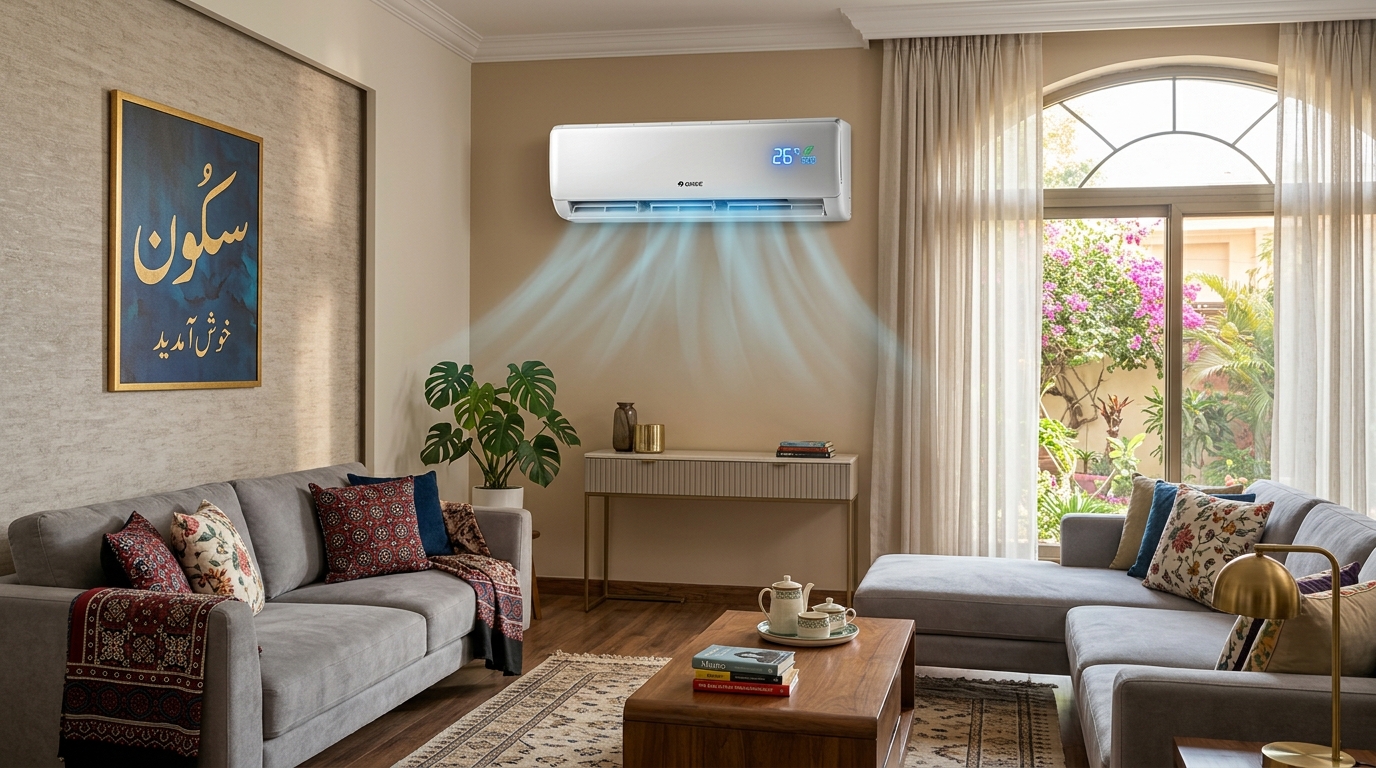
- Inverter Air Conditioners: Automate bedroom ACs to pre-cool the room at 24°C from 3:00 PM to 5:00 PM during cheap off-peak hours, turn OFF (or ramp temperature to 27°C) during peak hours, and resume normal cooling after 11:00 PM.
5. Sizing & Electrical Safety: 16A Heavy-Duty Sockets vs 10A Light Duty Sockets for AC Loads
A critical engineering mistake committed by consumers is plugging heavy, high-draw appliances into undersized smart plugs. In the Pakistani market, smart plugs are divided into two distinct current capacity ratings:
| Smart Plug Specification | Maximum Rated Current & Wattage | Terminal Pin Construction | Permissible Appliances | Strict Prohibitions |
|---|---|---|---|---|
| 10-Ampere Light Duty Socket | 10A Continuous (Max 2,200W @ 220V) | Standard small 3-pin round/flat pins; light internal copper contacts. | Smart TVs, desktop PCs, WiFi routers, standing lamps, laptop chargers, air purifiers. | Never connect: Inverter ACs, electric geysers, heavy steam irons, electric room heaters. |
| 16A / 20A Heavy-Duty Socket | 16A - 20A Continuous (Max 3,500W - 4,400W @ 220V) | Heavy-gauge brass terminals, flame-retardant V0 polycarbonate casing. | 1.0-Ton / 1.5-Ton Inverter ACs, storage water geysers, washing machines, deep freezers. | Do not exceed 16A continuous resistive load for more than 4 consecutive hours without ventilation. |
Fire Hazard Warning: Connecting a 1.5-ton inverter AC or a 2,400W oil-filled radiator to a generic 10A smart plug will cause the internal relay contacts to overheat, melting the plastic housing and sparking an electrical fire. For any appliance drawing more than 1,500 Watts, insist strictly on 16A or 20A rated smart plugs featuring internal temperature cutoff sensors.
6. Over-Voltage & Under-Voltage Protection: Guarding Sensitive Circuit Boards
Beyond energy monitoring, high-grade smart plugs function as dedicated solid-state Voltage & Current Protectors. In Pakistan, power transformer tripping frequently causes voltage spikes exceeding 270V AC, or brownout drops down to 150V AC. Both extremes are fatal to expensive inverter air conditioner PCB motherboards and refrigerator compressors.
Within the Tuya or Smart Life app settings for advanced smart plugs, users can configure automatic protective trip thresholds:
- Over-Voltage Cutoff ($V_{ ext{max}}$): Set to 250 Volts AC. If incoming grid voltage exceeds 250V, the smart plug disconnects power to your refrigerator or TV within 50 milliseconds.
- Under-Voltage Cutoff ($V_{ ext{min}}$): Set to 180 Volts AC. Low voltage forces induction motors to draw excessive current, causing windings to overheat. The plug trips automatically when voltage collapses.
- Recovery Delay Timer: Program a 3-minute (180-second) reconnect delay. When power is restored following load shedding, dangerous voltage surges and rapid on-off switching occur. The smart plug holds off power until the grid stabilizes, safeguarding compressor refrigerant pressures.
7. Mathematical Payback Calculation: How a PKR 2,200 Smart Plug Saves PKR 950 Monthly
Let us analyze the authentic return on investment of deploying a 16A smart energy monitoring plug (retail purchase price of PKR 2,200 in Pakistan) on a domestic hot and cold water dispenser in a residential home in Lahore:

- Unmanaged 24/7 Baseline: Hot water element cycles continuously. Monthly energy consumption = 148 kWh (Units).
- Smart Scheduled Operation: The smart plug powers the heating tank only from 6:30 AM to 9:30 AM and 6:00 PM to 9:00 PM (6 hours total daily). Overnight and mid-day standby boiling is completely eliminated. Monthly energy consumption drops to 54 kWh (Units).
- Net Monthly Energy Saved: 148 kWh - 54 kWh = 94 kWh (Units) saved every month!
- Monetary Value of Savings: Evaluated under typical non-protected domestic tariff rates of 62 PKR per unit:
$$ ext{Monthly Financial Savings} = 94 ext{ Units} imes 62 ext{ PKR} = mathbf{PKR 5,828.00 ext{ saved every month!}}$$ - Payback Velocity:
$$ ext{Payback Period} = rac{ ext{PKR } 2,200 ext{ Purchase Cost}}{ ext{PKR } 5,828 / ext{month}} = mathbf{0.37 ext{ Months (Only 11 Days!)}}$$
In less than two weeks of operation, the smart plug completely recovers its purchase price, generating over PKR 65,000 in cumulative net savings over its multi-year operational lifetime!
8. Step-by-Step Setup, WiFi Pairing, Automation Routines & Home Assistant Integration
Follow this step-by-step installation guide to deploy your smart energy plug in Pakistan:
- Network Verification: Ensure your home WiFi router broadcasts a dedicated 2.4 GHz network band. Most smart IoT plugs do not support 5.0 GHz networks. Temporarily enable 2.4 GHz in your router settings.
- App Download & Account Setup: Download the official "Smart Life" or "Tuya Smart" app from Google Play Store or Apple App Store. Register using your email address and select "Pakistan" as your regional server.
- Pairing the Plug: Insert the smart plug into your wall outlet. Press and hold the physical power button on the plug for 5 to 7 seconds until the blue/red LED indicator begins flashing rapidly (EZ Pairing Mode).
- Auto-Discovery: Launch the app, tap the "+" icon in the top right corner. The app will automatically discover the Bluetooth/WiFi beacon of the plug. Enter your WiFi password and complete pairing within 30 seconds.
- Configure Automation Rules: Navigate to the "Smart / Automation" tab. Create an automated routine: "If Time is 11:00 PM, then Turn OFF Socket" and "If Time is 6:00 AM, then Turn ON Socket".
- Set Overload Cutoffs: In the device settings menu, enable "Overload Protection" and set maximum current to 15.0 Amperes to protect wiring against appliance short-circuits.