Tariff Slabs & Energy Conservation
MEPCO Peak Hours Timings & TOU Unit Rates 2026: Summer & Winter Schedule, Unit Cost Breakdown and How to Cut Peak Surcharges
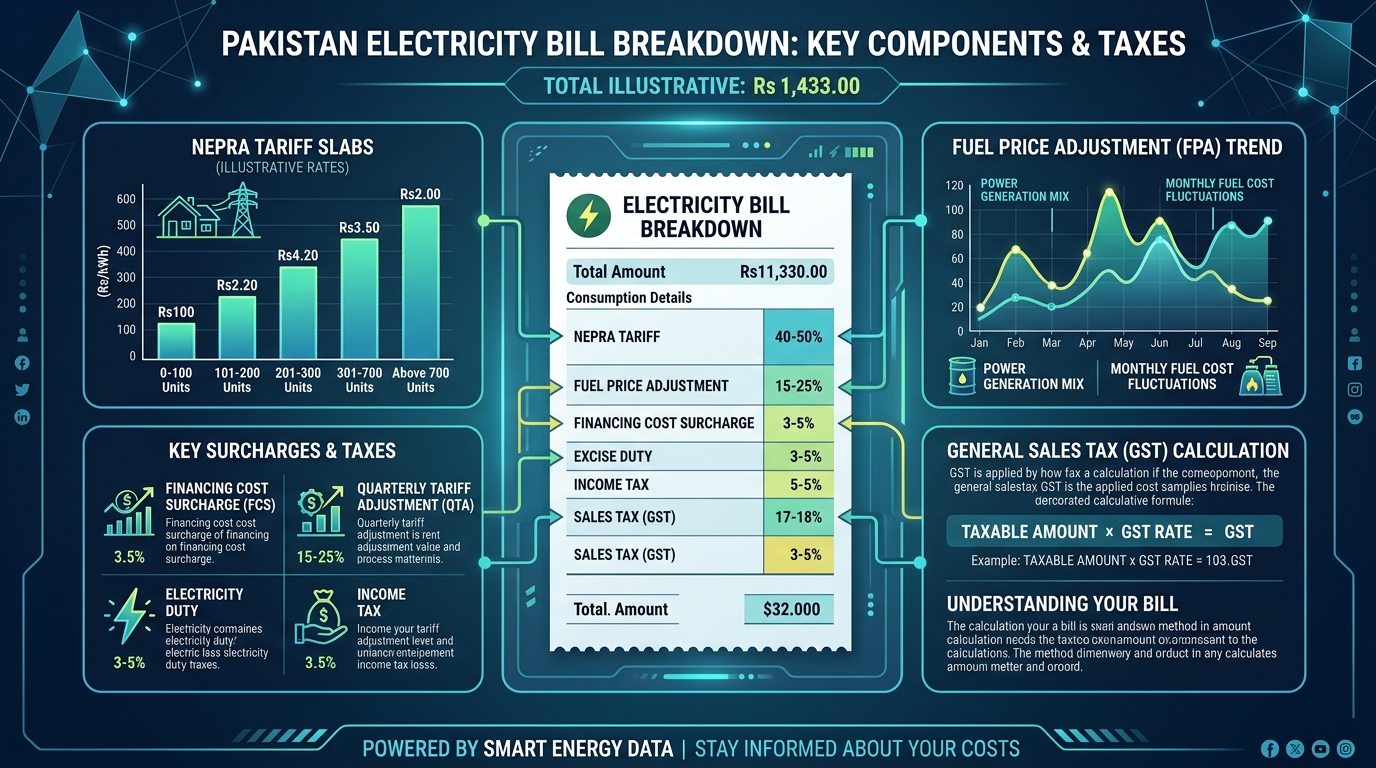
During hot summer afternoons and freezing winter evenings, electricity demand in Pakistan surges dramatically as millions of air conditioners, water pumps, commercial illumination, and electric geysers operate concurrently. To prevent total transmission collapse, the National Electric Power Regulatory Authority (NEPRA) enforces a Time of Use (TOU) tariff regime across all power distribution companies, including Multan Electric Power Company (MEPCO).
Under TOU metering, the 24 hours of every single day are partitioned into two distinct pricing windows: Peak Hours (when unit prices skyrocket to their highest statutory bracket) and Off-Peak Hours (subsidized standard consumption). Understanding exact seasonal timings and adjusting your household appliance schedule can cut your monthly electricity invoice by 30% to 45% without reducing your lifestyle comfort.
💡 میپکو پیک آورز (Peak Hours) 2026 — ضروری معلومات (Urdu Summary)
- موسم گرما کے اوقات (اپریل تا اکتوبر): شام 7:00 بجے سے رات 11:00 بجے تک پیک آورز ہوتے ہیں۔
- موسم سرما کے اوقات (نومبر تا مارچ): شام 5:00 بجے سے رات 9:00 بجے تک پیک آورز ہوتے ہیں۔
- یونٹ ریٹ کا فرق: پیک آورز کے دوران فی یونٹ ریٹ تقریباً 45 سے 50 روپے (ٹیکس ملا کر) ہوتا ہے جبکہ آف پیک ریٹ 30 سے 35 روپے ہوتا ہے۔
- بھاری بجلی آلات پر پابندی: پیک اوقات میں اے سی (AC)، پانی کی موٹر، استری، واشنگ مشین اور الیکٹرک گیزر کا استعمال مکمل بند رکھیں تاکہ بل آدھا ہو سکے۔
- کن صارفین پر لاگو ہے؟ تھری فیز (Three-Phase) میٹرز اور تمام کمرشل / انڈسٹریل صارفین کے میٹر میں پیک اور آف پیک یونٹس الگ الگ ریکارڈ ہوتے ہیں۔
1. Official Seasonal Peak Hours Schedule for 2026
NEPRA establishes the official seasonal schedule based on natural daylight cycles and peak grid stress hours. These timings are strictly synchronized across all MEPCO sub-divisions:
| Season / Period | Effective Months | Peak Hours Window | Off-Peak Window |
|---|---|---|---|
| Spring & Summer Schedule | 1st April to 31st October | 07:00 PM to 11:00 PM (4 Hours) | 11:00 PM to 07:00 PM (20 Hours) |
| Autumn & Winter Schedule | 1st November to 31st March | 05:00 PM to 09:00 PM (4 Hours) | 09:00 PM to 05:00 PM (20 Hours) |
2. Financial Impact: Peak vs Off-Peak Tariff Cost Comparison
Why does peak consumption inflate electricity bills so aggressively? Under NEPRA S.R.O. tariffs for 3-Phase Residential Domestic (Tariff A-1 TOU) and Commercial (Tariff A-2 TOU), every unit burned during the 4-hour window incurs punitive base rates plus compounded percentage taxes:
| Rate Component | Off-Peak Unit Rate | Peak Unit Rate | Difference (%) |
|---|---|---|---|
| Base Energy Charge | Rs. 28.50 | Rs. 41.80 | +46.6% |
| Financing Cost (FC) Surcharge | Rs. 3.23 | Rs. 3.23 | Equal |
| Average Fuel Price Adjustment (FPA) | Rs. 2.90 | Rs. 2.90 | Equal |
| Subtotal Before Taxes | Rs. 34.63 | Rs. 47.93 | +38.4% |
| General Sales Tax (18% GST) | Rs. 6.23 | Rs. 8.62 | +38.3% |
| Electricity Duty & TV Fee | Rs. 0.85 | Rs. 0.85 | Equal |
| Total End-Consumer Price Per Unit | Rs. 41.71 | Rs. 57.40 | +37.6% Premium |
A 1.5-ton inverter air conditioner consuming an average of 1.4 units per hour running across the 4 peak hours every evening consumes
1.4 x 4 = 5.6 units/day. Over 30 days, this amounts to 168 peak units. At Rs. 57.40 per peak unit, that single AC alone adds Rs. 9,643 to your monthly bill purely from peak-hour operation!

3. How Digital & Smart AMI Meters Record Peak Units
Modern electronic meters deployed by MEPCO (manufactured by MicroTech, PEL, or Vertex) contain an internal digital quartz clock and non-volatile EEPROM registers. When the internal clock enters 07:00 PM (or 05:00 PM in winter), the meter's internal microprocessor automatically diverts cumulative kWh pulses from the standard off-peak memory register to the dedicated Peak Register.
When you look at your physical 3-phase meter display, you can cycle through the screen codes by tapping the optical scroll button:
- Code 01 / T1: Total Off-Peak Units consumed since connection initialization.
- Code 02 / T2: Total Peak Units consumed. This number is audited every 30 days and billed at the maximum peak tariff.
- Code 04: Maximum Demand Indicator (MDI in kW) recorded during peak intervals. Exceeding your sanctioned load here triggers severe fixed penalties.
4. Actionable 6-Step Strategy to Cut Peak Hour Consumption by 40%
Implement these zero-cost behavioural load-shifting habits across your household:
- Pre-Cool Living Rooms: Set your inverter ACs to 24°C at 05:30 PM (during cheap off-peak hours) and keep bedroom doors shut. When 07:00 PM arrives, increase the AC thermostat to 27°C or switch to ceiling fans. Because rooms are already cooled, compressors will cycle at minimum idle power (200W to 350W instead of 1800W).
- Fill Water Overhead Tanks at Daytime: Never turn on high-draw 1.5 HP or 2 HP submersible electric pumps between 7 PM and 11 PM. Automate pumping schedules for 10:00 AM to 02:00 PM, especially if you have rooftop solar.
- Strict Ironing Schedule: Prohibit clothes ironing during peak hours. Laundry and pressing should be consolidated on weekend mornings.
- Solar Battery Load Shedding: If you operate a hybrid solar inverter system with tubular or lithium battery storage, configure your inverter program to "Battery Priority / Peak Shaving" mode between 7 PM and 11 PM so your essential loads draw zero grid units during high-tariff windows.
- Electric Vehicle (EV) Overnight Charging: If you drive an electric car or e-bike, plug in the charger only after 11:30 PM via automated timer plugs.
- Replace Filament Lamps with LED: Ensure all security lighting and courtyard illumination utilizes low-wattage 9W to 12W LED chips rather than 500W halogen floodlights.
5. Frequently Asked Questions (FAQ)
Q1: Does solar net metering export cancel out peak hour units?
No. Under NEPRA Net Metering regulations, green meters maintain separate export registers. Units exported during sunny daytime hours are credited against off-peak import units only. Peak units imported at night cannot be directly offset 1:1 with daytime off-peak solar exports.
Q2: What if my MEPCO meter clock is out of sync?
If you observe that your meter's internal clock is fast or slow compared to standard Pakistan Standard Time (PKT), lodge an immediate rectification application with your SDO. An out-of-sync clock might record inexpensive off-peak units as peak units, causing heavy overbilling.
Q3: Are Sundays or Public Holidays exempt from Peak Hours?
No. In Pakistan, Time of Use (TOU) peak hour schedules apply 365 days a year without exceptions for Sundays, Eid holidays, or national holidays.
Conclusion & Bill Verification
Managing peak consumption is the single most effective legal mechanism to reduce exorbitant power bills in Pakistan. Review your monthly bill's "Present & Previous Reading" column to inspect how many units were billed under the peak register.
To check your current statement and audit your charges, use our instant MEPCO Duplicate Bill Checker or calculate your monthly estimate with the Online Electricity Bill Calculator.